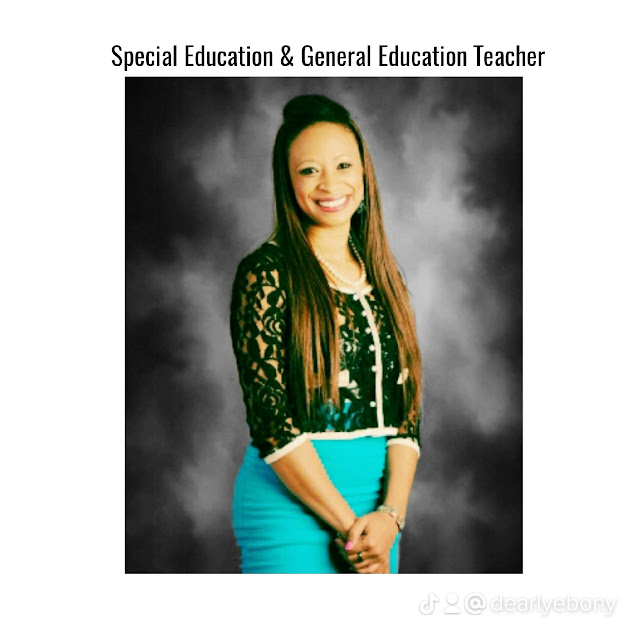
This picture was taken my last year as a classroom teacher (2014).
Here is the link to my teacher blog from way back when:
Pedagogy: the method and practice of teaching, especially as an academic subject or theoretical concept.
I wholeheartedly agree with Ann Oparah that teaching is the mother of all professions. I co-sign her sentiments that teachers should be ranked commensurately with law, medicine, and engineering professions.
Teachers must not only have a four year degree, but also pass assessments to obtain certification(s) to gain employment. Educators also have to continue professional development throughout their career to maintain their certifications, in addition to following ethics guidelines.
Teachers, you are professionals. You use theories to implement best practices and pedagogy. It is my pleasure to share the theories, researched based practices, and pedagogy that I have implemented throughout my educational career.
I know more than often teachers can easily get overwhelmed with the demands of teaching, and disconnect from the theories, researched based practices, and pedagogy that makes education a profession. It is with great hope that you reconnect with concepts. I challenge you to consider what theory, research based practice, and pedagogy you want to specialize in and become an expert in that area. Just as lawyers, doctors, and engineers can opt to specialize in their fields, so can we.
Dearly Ebony
Ways Children Learn
Children & Learning Part I
Let’s review some research based methods on ways children learn.
Factors That Influence Learning
Children & Learning Part II
Hermann’s Whole Brain Learning Theory
Using Graphic Organizers to Lean
I am an advocate for Graphic Organizers. They are not limited to ELA instruction. Here is a presentation I created to demonstrate how graphic organizers can be used across curriculums.
Enjoy!
Academic Achievement Via High Yield Instruction
Let’s get into some PEDAGODY and review how high yield instruction can result in academic achievement.
I created this document years ago to assist teachers and administration with creating effective lesson plans.
Theories
- Maslow’s Hierarchy of Needs
- Gardner’s Multiple (8) Intelligences
- Hermann’s Whole Brain Learning
Research Based Practices
1.Equitable Classroom Practices (Merton)
2. High Yield Instruction (Marzano)
3. Bloom’s Taxonomy (Bloom)
4.Depth of Knowledge (Webb)
5. S.M.A.R.T. (UMass Dartmouth)
6. Gender Based Learning (Gurian)
7. . Restorative Practices (Yantzi)
Pedagogy
Did someone say Pedagogy?
1.Inquiry & Project Based Learning (John Dewey & Albert Bandura
2. Socratic Method (Jerome Bruner)
3. Multisensory Teaching Approach (Orton-Gillingham)
4. Data Informed Decisions (Mertler)
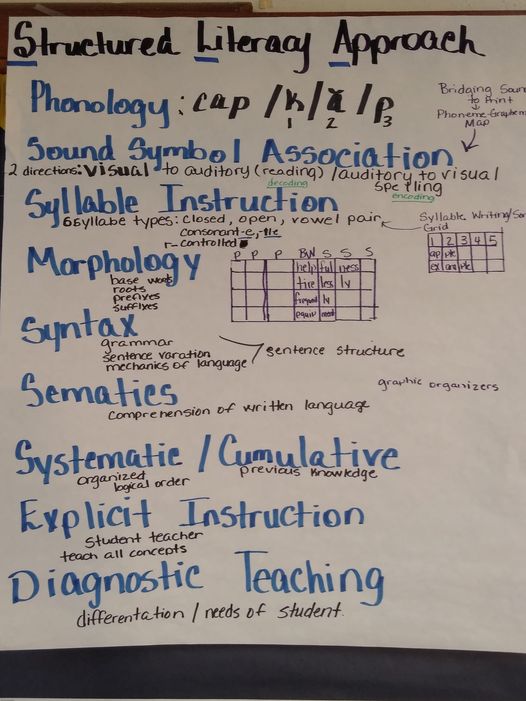
The Structured Literacy Approach
I am a huge fan of the SLA.
Here is an anchor chart I created to use when I gave presentations on the Structured Literacy Approach.
The SLA is an explicit and systematic method of teaching reading based on the science of reading.
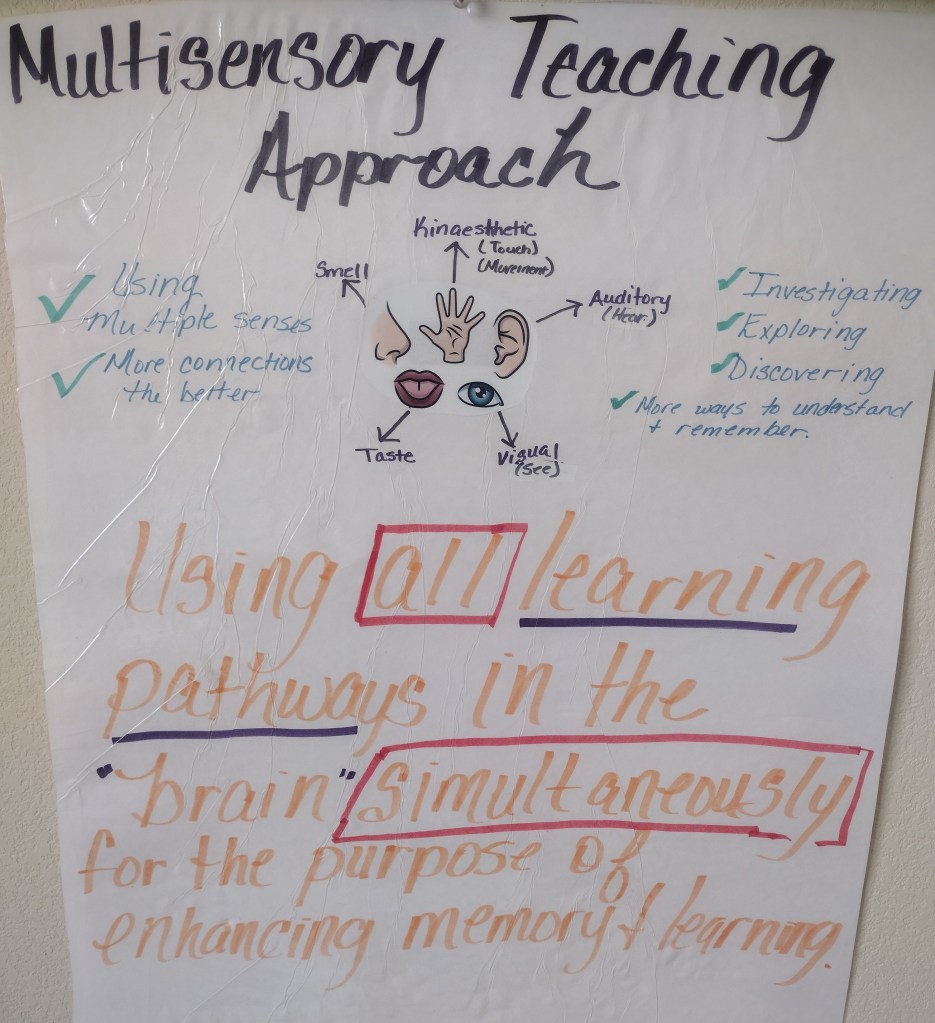
Multisensory Teaching Approach
MTA is a teaching method that engages more than one sense at a time. MTA focuses on four senses: smell, touch, hearing, and seeing. As you can see from my anchor chart, I also use the sense of taste.
MTA provides an opportunity for optimal learning. It benefits learners and teachers.
MTA engages the learning pathways to the brain and allows short-term knowledge (memory) to become long-term knowledge (memory). Keep In mind memory is vital to learning. When we teach, we want the content that is being learned not just to land but to stick.
 Dearly Ebony